Melee Combat: depth 9 of 10, grind 4 of 10.
The game centers on timing‑based melee attacks, parries, and dodges using a variety of weapons.
Games > ELDEN RING
 Now scanning App #1245620
Elden Ring is a third‑person action RPG focused on timing‑based melee combat and exploration of a vast interconnected world. It blends challenging boss fights with deep character builds.
Tell the Lab which mechanics you love and which you avoid. This box then makes a Play or Dodge call for you on every game.
The game centers on timing‑based melee attacks, parries, and dodges using a variety of weapons.
Each area culminates in a unique, pattern‑based boss fight that tests player skill and strategy.
Players traverse a seamless open world, discovering new regions, hidden sites, and optional challenges.
Story details are conveyed through ruins, scenery, and item descriptions rather than cutscenes.
Intricate boss patterns require exact dodge timings, stamina management, and deep mastery.
Players can invest in sorceries and incantations requiring specific attributes and spell slots for ranged combat.
A massive variety of armors, weapons, talismans, and upgrade materials are discovered throughout the world.
Extensive build possibilities and weapon variety allow for diverse approaches to character progression and combat.
Characters gain runes to unlock weapons, spells, and passive upgrades via a branching skill tree.
The sprawling world connects via elevators, key items, and secret paths that loop back on each other.
A rich overarching plot drives the journey to become Elden Lord, revealed through encounters and text.
Dark fantasy aesthetics, oppressive dungeons, and terrifying enemy designs create constant dread.
Fragmented lore is scattered in NPC dialogue, item text, and environmental clues, requiring player assembly.
Online co-op allows players to team up to tackle difficult areas and share in overcoming tough bosses together.
Invasions and dedicated colosseum arenas allow players to fight each other online.
Multiple distinct endings are achievable depending on choices made in major NPC questlines.
Crouching in tall grass lets players sneak past enemies or execute stealth backstabs.
Materials gathered from the open world are used to craft consumable items, arrows, and pots.
Spirit ashes allow players to summon AI companions during challenging combat encounters.
Conversations with NPCs sometimes present branching prompts that influence side quests.
Players harvest flora, minerals, and wildlife components scattered across the environment.
Runes serve as currency to purchase items and gear from merchant NPCs.
Players can approach obstacles using verticality, stealth, mounted mobility, or ranged magic.
Platforming relies on precise horse jumps and careful dropping down treacherous cliff ledges.
The PC community actively creates gameplay overhaul, visual, and convenience mods.
Spells, bows, and occasional ranged firearms serve as secondary offensive tools alongside melee weapons.
NPCs occupy hub areas like the Roundtable Hold, offering quests and services.
Optional dungeon obstacles involve activating switches, finding hidden keys, or lighting torches.
Players communicate through gestures, written floor messages, and cooperative sessions.
Character appearance customizers and varied equipment setups allow deep aesthetic expression.
Specific consumable items provide temporary buffs, but hunger or thirst meters are absent.
Minor random variations exist in certain drop pools, though the world is hand-crafted.
Dying results in dropping runes that can be retrieved upon returning to the death location.
Exploration is generally unhurried, though specific combat encounters demand quick reactions.
Mounted combat on Torrent allows fighting enemies while riding across the open world.
Elden Ring is defined by its demanding melee combat, intricate boss encounters, and sprawling open-world exploration, all sitting at a depth of 9. These core systems require precise dodge timings, stamina management, and map mastery to overcome. Alongside these, build customization offers deep character progression at a depth of 7. The grind sits at a moderate level of 4, focusing largely on gathering upgrade materials and learning boss patterns rather than endless repetitive tasks. You will want to bounce off this title if you dislike high difficulty, pattern-based punishment, or navigating a massive dark fantasy world without traditional quest markers. If you have patience for complex builds, tight timing challenges, and methodical exploration, the game provides extensive challenges across its interconnected regions.
Its deepest systems are melee combat (9/10), boss encounters (9/10) and open-world exploration (9/10).
Play ELDEN RING if you want open-world exploration that rewards thoroughness; you enjoy boss encounters that test timing and strategy; or you like deep character builds and varied gear options.
Skip ELDEN RING if you dislike high difficulty and precision skill checks; you want explicit quest markers and direct guidance; or you bounce off repeated attempts at tough boss fights.
Moderately. The most repetitive part is precision & skill difficulty, at 6/10 for grind.
It has no base building, roguelike runs, farming & life sim, turn-based tactics, city management and real-time strategy. It only touches on gunplay (2/10), time pressure (1/10), sandbox creativity (2/10), puzzle solving (2/10), social & roleplay (2/10) and vehicle combat (1/10).
By shared mechanics rather than genre, the closest matches are DARK SOULS™: REMASTERED (90% match), DARK SOULS™ III (88% match) and Path of Exile 2 (84% match).
Steam lists these modes: Single-player, Multi-player, PvP, Online PvP and Co-op.
The minimum listed on Steam is: Processor: INTEL CORE I5-8400 or AMD RYZEN 3 3300X; Memory: 12 GB RAM; Graphics: NVIDIA GEFORCE GTX 1060 3 GB or AMD RADEON RX 580 4 GB; Storage: 60 GB available space.
It is listed at $59.99 on the US Steam store, checked 15 November 2026.
No takes yet. Be the first.
Also checkKinguin
Lowest ever seen: $29.95 Price data from IsThereAnyDeal. Prices change often; the store page has the final one.
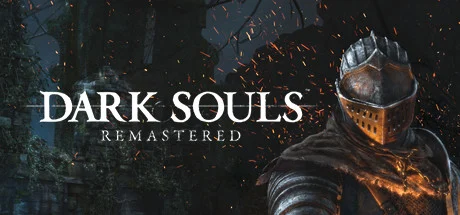 90% match
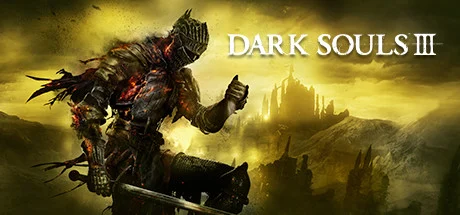 88% match
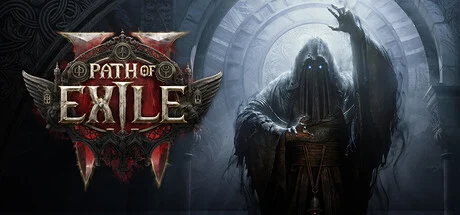 84% match
 84% match
 83% match
 83% match
 82% match
 82% match
Store details, review counts and requirements come from Steam. Community tag votes come from SteamSpy, and themes and modes from IGDB. Depth and grind scores are produced by two separate language models reading that material, then reconciled and capped against community tags. A score the two models disagree on is marked low confidence.