Base Building: depth 10 of 10, grind 5 of 10.
Players construct intricate bases, designing defensive killboxes, tunnels, and freezers to protect against raids.
Games > RimWorld
 Now scanning App #294100
RimWorld is a deeply systemic colony simulation driven by an intelligent AI storyteller that generates emergent player narratives. Players manage the psychological, physical, and survival needs of crash-landed pawns while building and defending a growing base.
Tell the Lab which mechanics you love and which you avoid. This box then makes a Play or Dodge call for you on every game.
Players construct intricate bases, designing defensive killboxes, tunnels, and freezers to protect against raids.
Managing individual pawn psychology, work priorities, moods, health, and interpersonal relationships is central to survival.
World maps, biomes, and story events are generated each playthrough.
Players freely design colonies, structures, and scenarios without set goals.
A massive Steam Workshop modding scene allows players to run hundreds of community-made mods smoothly.
Players must keep crash-landed colonists fed, sheltered, and medically tended to survive harsh climates and hazards.
Players design rooms, zones, and infrastructure to run the colony.
AI storyteller dynamically creates challenges based on colony state.
Pawns produce gear, weapons, and supplies using specialized workstations to keep the colony functioning.
An intelligent AI storyteller dynamically generates unpredictable emergent events and dramatic player narratives.
Caravans arrive for buying and selling goods, affecting colony wealth.
Ranged combat uses pistols, rifles, and shotguns for colonist defense.
Stories emerge from colonist interactions, events, and environment.
Colonists gather materials from the map ecosystem for crafting, building, and maintaining the settlement.
Growing crops, raising animals, and managing food are central to survival.
Colonists fight using melee weapons like spears and swords during raids.
Game includes extensive backstory, faction lore, and tech trees.
Turrets, work tables and simple conveyor setups automate colony tasks.
Raids drop varied loot that colonists can equip or store.
Colonists gain skill levels through work, unlocking new abilities.
Raids and random events create tense, sometimes horror-like moments.
Colonist traits and relationships enable roleplaying interactions.
Colonists can hide or crouch to avoid detection during raids.
Event dialogs offer limited response options influencing mood.
Power grid and temperature control require logical problem solving.
Combat requires aiming and timing, but difficulty is adjustable.
Defending against periodic raids resembles tower defense gameplay.
Players customize colony layout and building styles.
Each colonist acts as a companion with unique traits.
Each colony is a new run with permanent consequences and replayability.
Optional permadeath mode ends game upon colonist death.
Occasional challenging threats or specialized hostile entities act as major spike encounters.
World map diplomacy, faction relations, and caravan travel offer a light strategic layer.
Caravans can travel across the world map to visit other settlements and sites.
RimWorld centers on colony and NPC management at a depth of 10 and base building at a depth of 10, tasking you with maintaining pawn psychology, health, and defensive layouts. Alongside these, survival needs sit at a depth of 8 and a grind of 5, demanding constant attention to food, shelter, and harsh climates to keep crash-landed colonists alive. You will bounce off this experience if you dislike managing repetitive survival tasks or coping with unpredictable emergent events driven by the AI storyteller, where minor slip-ups cascade into total colony collapse.
Its deepest systems are base building (10/10), colony & NPC management (10/10) and procedural generation (9/10).
Play RimWorld if you want base building that keeps opening up; you enjoy deep colony and NPC management; or you like procedural generation in every run.
Skip RimWorld if you hate dealing with harsh survival needs; you dislike steady colony management grind; or you want structured goals instead of sandbox.
Moderately. The most repetitive part is colony & NPC management, at 6/10 for grind.
It has no co-op PvE, competitive PvP, time pressure, magic & ranged abilities, platforming and branching narrative. It only touches on precision & skill difficulty (2/10), build customization (2/10), open-world exploration (1/10), boss encounters (1/10), party & companions (2/10) and stealth (2/10).
By shared mechanics rather than genre, the closest matches are Dwarf Fortress (77% match), Project Zomboid (74% match) and Sons Of The Forest (74% match).
Steam lists these modes: Single-player.
The minimum listed on Steam is: Processor: Core 2 Duo; Memory: 4 GB RAM; Graphics: Intel HD Graphics 4000 or other shader model 4.0; Storage: 1 GB available space.
It is listed at $34.99 on the US Steam store, checked 18 November 2026.
No takes yet. Be the first.
Also checkKinguin
Lowest ever seen: $24.14 Price data from IsThereAnyDeal. Prices change often; the store page has the final one.
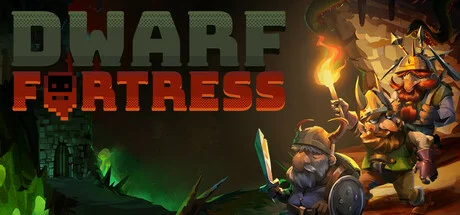 77% match
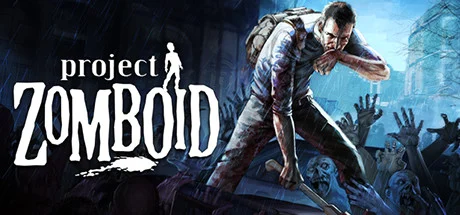 74% match
 74% match
 73% match
 73% match
 73% match
 72% match
 72% match
Store details, review counts and requirements come from Steam. Community tag votes come from SteamSpy, and themes and modes from IGDB. Depth and grind scores are produced by two separate language models reading that material, then reconciled and capped against community tags. A score the two models disagree on is marked low confidence.