My Lab

Games > Destiny 2

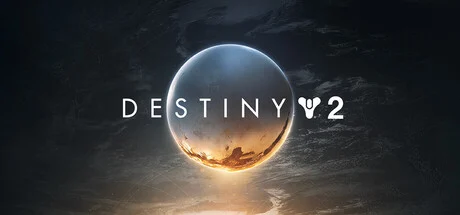
Destiny 2 cover art Now scanning App #1085660

Destiny 2

  • Action, Adventure, Free To Play
  • Oct 1, 2019
  • Bungie
  • On PC (Windows), PlayStation 4, PlayStation 5, Xbox One, Xbox Series X|S
How it plays12 core moves

Destiny 2 is a fast‑paced looter‑shooter that blends tight gunplay with extensive gear progression. It offers large open zones, cooperative raids and competitive PvP modes.

Steam reviews391,376Mostly Positive
Median playtime--per owner
Steam priceFreeUS store
Steam players80%recommend it
Critics82/10025 reviews, IGDB
DNA confidence70%48 of 48 mechanics scored

Your call

Personal, from your Lab
?

Tell the Lab which mechanics you love and which you avoid. This box then makes a Play or Dodge call for you on every game.

    Set up My Lab
    Compare with another game
    Does this scan match the game?
    One score looks wrong?

    Move list

    Depth 0-10 / Grind 1-10
    Gunplay: depth 9 of 10, grind 4 of 10.

    Fast, responsive first‑person shooting with a variety of weapons.

    Loot & Itemization: depth 9 of 10, grind 8 of 10.

    Players collect exotic weapons and armor through missions, raids and random drops.

    Open-World Exploration: depth 8 of 10, grind 4 of 10.

    Large planetary zones let players roam, discover activities and hidden loot.

    Co-op PvE: depth 8 of 10, grind 6 of 10.

    Raids and dungeons require coordinated teams of players to complete.

    Precision & Skill Difficulty: depth 8 of 10, grind 7 of 10.

    Endgame raids and master dungeons demand tight reflexes and precise execution from fireteams.

    Skill Trees & Progression

    Low confidence
    Skill Trees & Progression: depth 8 of 10, grind 6 of 10.

    Guardians unlock abilities and mods via a talent tree and seasonal power progression.

    Competitive PvP: depth 7 of 10, grind 5 of 10.

    Multiplayer modes pit players against each other in objective‑based matches.

    Boss Encounters

    Low confidence
    Boss Encounters: depth 7 of 10, grind 7 of 10.

    Challenging multi-stage activities like raids and dungeons serve as major focal points for cooperative end-game encounters.

    Build Customization

    Low confidence
    Build Customization: depth 7 of 10, grind 7 of 10.

    Build-crafting into constant ability uptime allows players to deeply customize their combat effectiveness and subclass performance.

    Lore Depth

    Low confidence
    Lore Depth: depth 7 of 10, grind 5 of 10.

    The universe is backed by an extensive sci-fi background and deeply integrated lore that players explore across various activities.

    Magic & Ranged Abilities: depth 6 of 10, grind 6 of 10.

    Guardians wield space magic and elemental abilities to devastate groups of alien enemies.

    Story-Driven

    Low confidence
    Story-Driven: depth 6 of 10, grind 2 of 10.

    Narrative missions follow a sci‑fi storyline with recurring characters.

    Also in the game24 lighter systems

    Melee Combat

    Secondary system
    Melee Combat: depth 5 of 10, grind 5 of 10.

    Players use melee strikes and finisher moves alongside firearms during combat encounters.

    Platforming

    Secondary system
    Platforming: depth 5 of 10, grind 4 of 10.

    First-person jumping puzzles and traversal challenges test agility across floating platforms.

    Environmental Storytelling: depth 5 of 10, grind 1 of 10.

    World design conveys lore through locations, terminals and ambient details.

    Time Pressure

    Secondary system
    Time Pressure: depth 4 of 10, grind 5 of 10.

    Timed activities and restricted encounter timers push players to move quickly.

    Social & Roleplay

    Secondary system
    Social & Roleplay: depth 4 of 10, grind 4 of 10.

    Players congregate in social hubs like the Tower to emote and form clans.

    Resource Gathering

    Secondary system
    Resource Gathering: depth 4 of 10, grind 4 of 10.

    Planetary materials are gathered while exploring to upgrade equipment and progress quests.

    Party & Companions

    Secondary system
    Party & Companions: depth 4 of 10, grind 3 of 10.

    Fireteams of players group up together for cooperative strikes, dungeons, and raids.

    Driving & Handling

    Secondary system
    Driving & Handling: depth 3 of 10, grind 2 of 10.

    Sparrow steering lets players speed across open planetary maps.

    Puzzle Solving

    Secondary system
    Puzzle Solving: depth 3 of 10, grind 3 of 10.

    Raids and dungeons occasionally feature mechanics-based teamwork puzzles.

    Economy & Trading

    Secondary system
    Economy & Trading: depth 3 of 10, grind 3 of 10.

    Glimmer and planetary currencies are used to purchase items from vendors.

    Metroidvania Navigation

    Secondary system
    Metroidvania Navigation: depth 3 of 10, grind 3 of 10.

    Exploration areas unlock access routes as players acquire specific progress milestones.

    Vehicle Combat

    Secondary system
    Vehicle Combat: depth 3 of 10, grind 3 of 10.

    Sparks of vehicular warfare occur when driving sparrows or tanks across open patrol zones.

    Crafting

    Secondary system
    Crafting: depth 3 of 10, grind 4 of 10.

    Players can craft or acquire upgraded gear variants through specific vendor interactions.

    Stealth

    Barely there
    Stealth: depth 2 of 10, grind 1 of 10.

    Sneaking around enemies is occasionally possible but not a core gameplay pillar.

    Dialogue Choices

    Barely there
    Dialogue Choices: depth 2 of 10, grind 1 of 10.

    NPC interactions feature linear dialogue without branching conversation trees.

    Procedural Generation: depth 2 of 10, grind 2 of 10.

    Certain activities and modifiers feature randomized layouts or enemy encounters.

    Permadeath

    Barely there
    Permadeath: depth 2 of 10, grind 2 of 10.

    Hardcore modifier restricted activities impose restricted respawns on failure.

    Horror & Tension

    Barely there
    Horror & Tension: depth 2 of 10, grind 2 of 10.

    Atmospheric lighting and eerie hive infestations create mild suspense in specific missions.

    Branching Narrative: depth 2 of 10, grind 1 of 10.

    The overarching sci-fi story follows a fixed narrative path.

    Roguelike Runs

    Barely there
    Roguelike Runs: depth 2 of 10, grind 3 of 10.

    Isolated activities like specific dungeon runs borrow light expedition structures.

    Tower Defense

    Barely there
    Tower Defense: depth 1 of 10, grind 2 of 10.

    Certain seasonal activities feature minor waves of enemies attacking stationary objectives.

    Immersive-Sim Reactivity: depth 1 of 10, grind 1 of 10.

    Environments are largely static with scripted encounter triggers.

    Rhythm & Music

    Barely there
    Rhythm & Music: depth 1 of 10, grind 1 of 10.

    Dynamic musical scores respond to combat intensity and boss phases.

    Sandbox Creativity

    Barely there
    Sandbox Creativity: depth 1 of 10, grind 1 of 10.

    Cosmetic armor customization allows limited player expression.

    DNA scanTop 8
    GunplayLoot &ItemizationOpen-WorldExplorationCo-op PvEPrecision &SkillDifficultySkill Trees &ProgressionCompetitivePvPBossEncounters
    DepthGrind

    Play it or dodge it?

    Verdict from the scan

    Destiny 2 offers a fast-paced looter-shooter experience driven by two primary systems. Loot and Itemization sits at a massive depth of 9 with an intense grind of 8, asking you to constantly hunt for exotic gear and drops. Alongside this, Gunplay holds a depth of 9 with a moderate grind of 4, delivering responsive first-person combat. You will also navigate open-world zones with a depth of 8 and co-op raids featuring a depth of 8 and a grind of 6. If you dislike repeating missions for randomized stats and heavy endgame material requirements, you will bounce off this loop quickly. The sci-fi universe, competitive player-versus-player modes, and detailed build customization round out the package for dedicated fireteams.

    Play it if

    • You want responsive gunplay in fast-paced combat
    • You enjoy hunting for exotic loot and gear drops
    • You like coordinating with teams in deep raids

    Dodge it if

    • You dislike heavy repetitive grind for gear
    • You prefer games without mandatory co-op raids
    • You want a self-contained single-player story

    Not sure what you like? Take the 1-minute Gamer DNA Test

    Quick answers

    Built from the scan above

    What do you actually do in Destiny 2?

    Its deepest systems are gunplay (9/10), loot & itemization (9/10) and open-world exploration (8/10).

    Who should play Destiny 2?

    Play Destiny 2 if you want responsive gunplay in fast-paced combat; you enjoy hunting for exotic loot and gear drops; or you like coordinating with teams in deep raids.

    Who should skip Destiny 2?

    Skip Destiny 2 if you dislike heavy repetitive grind for gear; you prefer games without mandatory co-op raids; or you want a self-contained single-player story.

    Is Destiny 2 grindy?

    Yes, in places. Loot & Itemization scores 8/10 for grind, the highest in the game.

    What does Destiny 2 not have?

    It has no mod ecosystem, base building, survival needs, colony & NPC management, turn-based tactics and farming & life sim. It only touches on horror & tension (2/10), sandbox creativity (1/10), stealth (2/10), dialogue choices (2/10), immersive-sim reactivity (1/10) and branching narrative (2/10).

    What games play like Destiny 2?

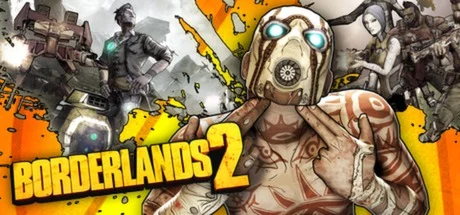
    By shared mechanics rather than genre, the closest matches are Borderlands 2 (87% match), Warframe (85% match) and Borderlands 3 (85% match).

    Is Destiny 2 single-player or multiplayer?

    Steam lists these modes: Single-player, Multi-player, PvP, Online PvP and Co-op.

    What PC do you need to run Destiny 2?

    The minimum listed on Steam is: Processor: Intel® Core™ i3 3250 3.5 GHz or Intel Pentium G4560 3.5 GHz / AMD FX-4350 4.2 GHz; Memory: 6 GB RAM; Graphics: NVIDIA® GeForce® GTX 660 2GB or GTX 1050 2GB / AMD Radeon HD 7850 2GB; Storage: 105 GB available space.

    Is Destiny 2 free?

    Yes. It is free to play on Steam.

    Ranked in

    Best-of lists this game makes the top ten of

    Player takes

    0 so far

    No takes yet. Be the first.

    Best price

    US prices, checked 19 Nov 2026
    1. SteamLowest now Free Go to store: Destiny 2 on Steam
    2. Epic Game Store Free Go to store: Destiny 2 on Epic Game Store

    Lowest ever seen: $23.45 Price data from IsThereAnyDeal. Prices change often; the store page has the final one.
    Plays like

    Matched on mechanics, not genre

    All games like Destiny 2

    Fixes and guides

    From our sister site Fixspawn
    Destiny 2 not running right?7 known issues with step-by-step fixes, plus system requirements and platform notes, on Fixspawn.See all fixes

    PC specs

    As listed on Steam

    Minimum

    • Requires a 64-bit processor and operating system
    • OS: Windows® 10 64-bit (latest Service Pack)
    • Processor: Intel® Core™ i3 3250 3.5 GHz or Intel Pentium G4560 3.5 GHz / AMD FX-4350 4.2 GHz
    • Memory: 6 GB RAM
    • Graphics: NVIDIA® GeForce® GTX 660 2GB or GTX 1050 2GB / AMD Radeon HD 7850 2GB
    • Network: Broadband Internet connection
    • Storage: 105 GB available space
    • Additional Notes: Beginning on June 4, 2024, Destiny 2 is ending support for Windows 7, Windows 8, and Windows 8.1 operating systems.

    Recommended

    • Requires a 64-bit processor and operating system
    • OS: Windows® 10 64-bit (latest Service Pack)
    • Processor: Processor Intel® Core™ i5 2400 3.4 GHz or i5 7400 3.5 GHz / AMD Ryzen R5 1600X 3.6 GHz
    • Memory: 8 GB RAM
    • Graphics: NVIDIA® GeForce® GTX 970 4GB or GTX 1060 6GB / AMD R9 390 8GB Memory 8 GB RAM
    • Network: Broadband Internet connection
    • Storage: 105 GB available space
    • Additional Notes: Beginning on June 4, 2024, Destiny 2 is ending support for Windows 7, Windows 8, and Windows 8.1 operating systems.

    About this data

    Verified 15 Nov 2026

    Store details, review counts and requirements come from Steam. Community tag votes come from SteamSpy, and themes and modes from IGDB. Depth and grind scores are produced by two separate language models reading that material, then reconciled and capped against community tags. A score the two models disagree on is marked low confidence.

    How scoring works